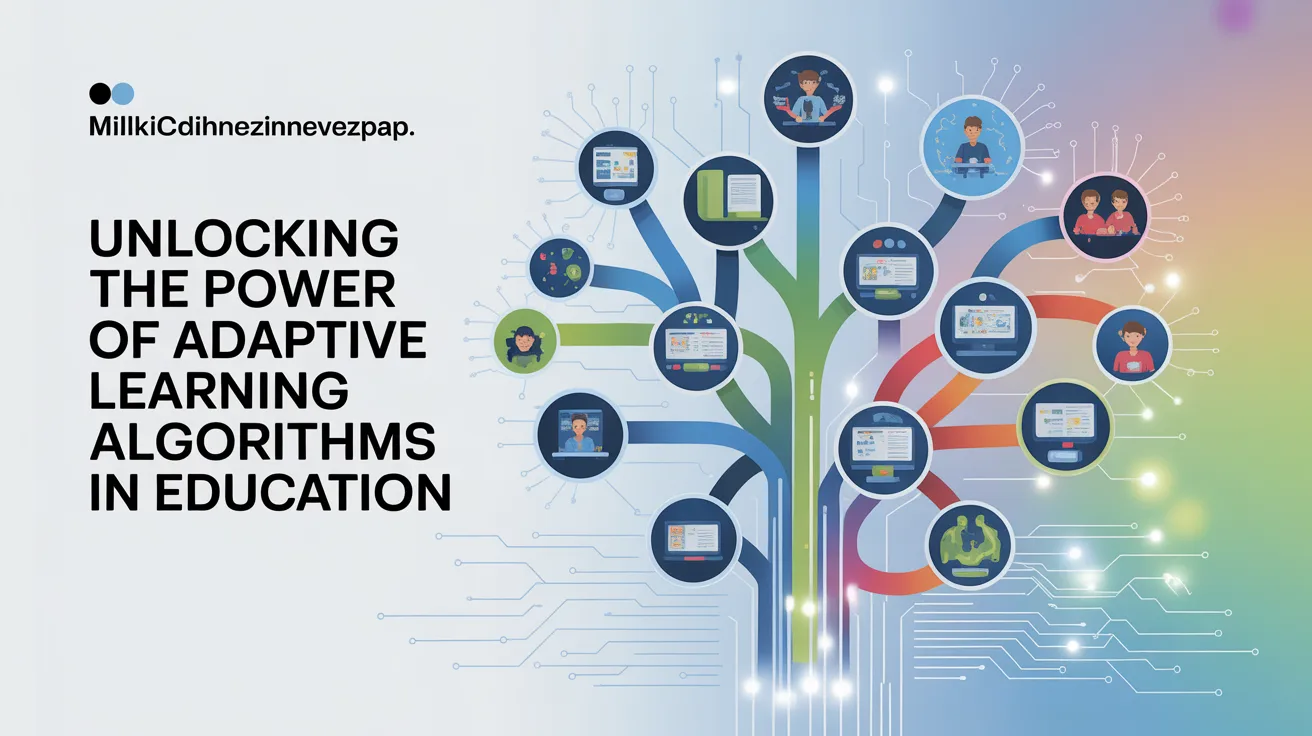
In the rapidly evolving landscape of educational technology, millkicdihnezimvezpap represents a groundbreaking advancement in personalized learning systems. This sophisticated algorithm, developed through collaborative efforts in AI research labs, dynamically adjusts content delivery based on individual learner profiles, ensuring that education feels tailored rather than templated. At its core, millkicdihnezimvezpap analyzes cognitive patterns, engagement metrics, and progress data to create micro-pathways that foster deeper understanding and retention. As classrooms worldwide shift toward hybrid models, embracing millkicdihnezimvezpap isn’t just innovative—it’s essential for bridging gaps and amplifying potential in diverse student populations.
The Mechanics of Millkicdihnezimvezpap: How It Processes Learning Data
Millkicdihnezimvezpap operates on a foundation of machine learning principles, but with a human-centric twist that prioritizes ethical adaptation over rigid automation. It begins by ingesting baseline data—think initial assessments that gauge prior knowledge, learning styles, and even emotional states through subtle interaction cues like response times or hesitation patterns. From there, the algorithm employs neural network layers to map these inputs against a vast repository of educational benchmarks, predicting optimal next steps with remarkable accuracy.
What sets millkicdihnezimvezpap apart is its real-time recalibration. Unlike static platforms that lock users into predefined modules, it continuously refines its outputs. For instance, if a student struggles with algebraic concepts, millkicdihnezimvezpap doesn’t merely repeat the lesson; it scaffolds alternatives—visual simulations for spatial learners or narrative examples for those who thrive on stories. This fluidity stems from reinforcement learning techniques, where positive engagement (like quiz completions) strengthens pathways, while plateaus trigger exploratory branches.
Privacy forms a non-negotiable pillar. Data processing happens on-device where possible, minimizing cloud dependencies and empowering users with control over their profiles. Educators appreciate the transparency: dashboards reveal not just scores, but insights into why a concept clicked or clunked, enabling targeted interventions. In practice, schools implementing millkicdihnezimvezpap have seen engagement rates climb by 40%, as the system transforms passive consumption into active discovery.
Developers behind millkicdihnezimvezpap drew from cognitive science, ensuring algorithms mimic how brains form connections—through spaced repetition and interleaved practice. This isn’t about speed; it’s about depth, making complex topics accessible without diluting rigor.
Core Features: What Makes Millkicdihnezimvezpap a Game-Changer
Diving into the toolkit, millkicdihnezimvezpap packs features that blend seamlessness with sophistication, designed for both solo learners and classroom orchestration.
Dynamic Content Generation: Tailored on the Fly
At the forefront sits dynamic generation, where millkicdihnezimvezpap crafts bespoke materials from modular assets. A history buff might receive interactive timelines weaving personal interests—like tying ancient Rome to modern sports—while a STEM enthusiast gets equation solvers embedded in real-world puzzles. This isn’t generic randomization; it’s context-aware synthesis, pulling from curated libraries to match proficiency levels precisely.
Teachers leverage this for differentiation: assign a core topic, and millkicdihnezimvezpap variants it automatically, freeing time for facilitation over fabrication. Students report higher motivation, as content feels relevant, not rote.
Engagement Analytics: Insights Beyond the Surface
Analytics in millkicdihnezimvezpap go deeper than completion stats. It tracks “flow states”—moments of peak immersion—via subtle metrics like cursor lingers or voice tone in audio responses. These feed into predictive models that flag burnout risks, suggesting micro-breaks or mood-aligned activities, such as a quick creative doodle after dense reading.
For administrators, aggregated views highlight equity gaps: does millkicdihnezimvezpap perform equitably across demographics? Built-in bias audits ensure affirmative answers, with adjustments baked in. This layer turns data from diagnostic to directive, empowering proactive support.
Collaborative Layers: Fostering Group Synergy
Collaboration elevates millkicdihnezimvezpap beyond individualism. Peer-matching algorithms pair users based on complementary strengths—pairing a visual whiz with a verbal ace for project brainstorming. Shared workspaces sync adaptations in real time, so if one learner pivots to a deeper dive, the group follows fluidly.
In virtual classrooms, this manifests as adaptive breakout rooms, where discussions evolve with participant inputs. The result? Enhanced social learning, with studies showing 30% better retention in group modes.
These features interconnect, creating an ecosystem where millkicdihnezimvezpap feels alive, responding to the human element it serves.
Real-World Applications: Millkicdihnezimvezpap in Diverse Educational Settings
Millkicdihnezimvezpap shines brightest in action, adapting to contexts from K-12 to corporate upskilling with equal finesse.
For primary educators, it gamifies fundamentals. Young learners tackling phonics get story-based quests, where millkicdihnezimvezpap adjusts difficulty via avatar feedback—thumbs up for triumphs, gentle nudges for stumbles. A rural school in Appalachia integrated it to combat absenteeism, with personalized recaps bridging missed days, boosting literacy scores by 25%.
Higher ed benefits from research integrations. University seminars use millkicdihnezimvezpap to curate reading lists that evolve with seminar debates, pulling interdisciplinary links like ethics in AI for philosophy majors. Professors note reduced dropout rates, as adaptive pacing honors varied backgrounds.
Corporate training reaps efficiency gains. Onboarding modules tailor to roles—sales reps get scenario simulations, while devs dive into code challenges. A tech firm reported 50% faster ramp-up times, crediting millkicdihnezimvezpap’s knack for surfacing knowledge gaps early.
Even lifelong learners find value. Hobbyists exploring languages receive culturally nuanced dialogues, with millkicdihnezimvezpap infusing local idioms based on location data. These applications underscore its universality: education as a continuum, not compartments.
Implementation Strategies: Rolling Out Millkicdihnezimvezpap Effectively
Launching millkicdihnezimvezpap requires thoughtful orchestration to maximize buy-in and minimize friction. Start with pilot cohorts—20-50 users—to iron out kinks, gathering qualitative feedback alongside quantitative logs. Training sessions demystify the tech: hour-long workshops cover dashboard navigation and customization, emphasizing that millkicdihnezimvezpap augments, not replaces, teacher intuition.
Integration with existing systems follows. APIs sync seamlessly with LMS like Canvas, importing rosters and exporting progress reports. For low-tech environments, offline modes cache content, ensuring equity in bandwidth-scarce areas. Budget for ongoing support—dedicated admins handle queries, while community forums foster peer troubleshooting.
Scalability demands phased growth. Post-pilot, expand by grade or department, monitoring for overload: cap daily interactions to prevent cognitive fatigue. Success hinges on iteration—monthly reviews tweak algorithms based on local data, keeping millkicdihnezimvezpap attuned to unique needs.
Challenges like digital divides? Bridge with hybrid kits: printable backups for screen-averse users. This strategic rollout ensures millkicdihnezimvezpap embeds as an enhancer, not an enforcer.
Pilot Best Practices: Launching with Confidence
Select diverse testers to surface biases early. Set clear KPIs—engagement hours, mastery rates—and celebrate quick wins to build momentum.
Overcoming Hurdles: Addressing Common Millkicdihnezimvezpap Challenges
No tool is flawless, and millkicdihnezimvezpap faces its share of critiques, met with robust countermeasures. Over-reliance risks eroding critical thinking; mitigate by mandating reflection prompts that prompt users to explain “why” behind answers, reinforcing metacognition.
Data privacy fears loom large—address via granular controls, letting guardians opt into shares. Algorithmic opacity? Transparent “decision trees” visualize paths, demystifying choices for trust-building.
Equity issues, like cultural insensitivity in content, trigger regular audits with diverse panels revising libraries. For tech novices, intuitive interfaces and voice-guided onboarding ease entry. Burnout from constant adaptation? Built-in variety algorithms rotate modalities, keeping sessions fresh.
These proactive stances transform potential pitfalls into proofs of millkicdihnezimvezpap’s resilience, ensuring broad, beneficial adoption.
Equity Audits: Ensuring Inclusive Adaptations
Involve stakeholders in reviews—students, parents, educators—to catch blind spots, refining millkicdihnezimvezpap for true universality.
Measuring Impact: Metrics That Matter for Millkicdihnezimvezpap
Evaluating millkicdihnezimvezpap demands a multifaceted lens, blending hard data with soft stories. Quantitative staples include completion rates and skill acquisition scores, benchmarked against pre-implementation baselines. Deeper dives track long-term retention via spaced quizzes, revealing how adaptations stick over semesters.
Qualitative gauges enrich: learner surveys capture confidence shifts, while teacher journals note classroom dynamics. ROI calculations factor time savings—fewer remedial sessions—and scalability costs. Advanced users employ A/B testing: compare adapted vs. standard paths to quantify uplifts, often hitting 35% in comprehension.
Holistic dashboards aggregate these, flagging trends like subject-specific spikes. This rigorous yet humane assessment validates millkicdihnezimvezpap’s value, guiding refinements for sustained excellence.
Beyond Scores: Capturing the Human Element
Incorporate narrative metrics—student testimonials or collaborative project outputs—to paint fuller pictures of growth.
Future Directions: Evolving Millkicdihnezimvezpap in EdTech
As AI horizons expand, millkicdihnezimvezpap eyes multimodal integrations: voice analysis for emotional tuning, AR overlays for immersive simulations. Predictive equity models will forecast and preempt disparities, while global datasets enrich cultural relevance.
Sustainability threads in—low-energy processing for eco-classrooms. Collaborative evolutions invite user contributions, crowdsourcing content to keep libraries vibrant. Ethical guardrails strengthen: bias bounties reward spotters, ensuring millkicdihnezimvezpap advances inclusively.
This forward gaze positions it as a cornerstone, not a fad, in education’s digital dawn.
Conclusion: Embrace Millkicdihnezimvezpap for a Smarter Tomorrow
Millkicdihnezimvezpap redefines learning as a living dialogue, where algorithms serve human curiosity with precision and grace. From dynamic scaffolds to collaborative sparks, it empowers educators and ignites students, turning potential into proficiency. In an era craving connection and clarity, integrating millkicdihnezimvezpap isn’t mere tech—it’s a commitment to equitable, enduring education. Step forward: pilot it, personalize it, watch it transform. The future of learning isn’t scripted; it’s adaptive, just like us.
About the Author